Our Farm
So, what exactly are we doing here?
We have plenty of plans for Blue Cuckoo Farm — probably more than we have time or money for. So a lot of what we do starts with looking at what we've already got and working out how we can make something of it.
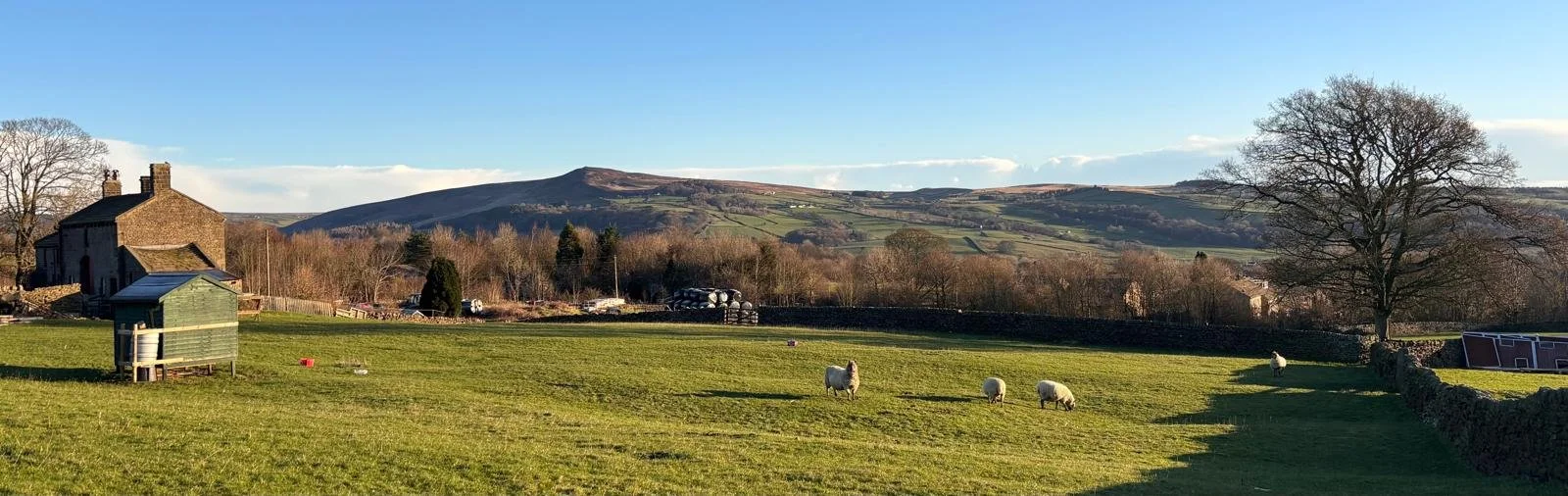
The farm had been neglected for a long time, and we're slowly bringing it back to life — growing more, planting trees and willow, keeping sheep, repairing what we can and giving old, found and forgotten things another purpose. Sometimes that's a conscious choice. Sometimes it's simply what the budget demands. Either way, it turns out that having to work with what you've got can make you surprisingly creative.
Some projects are carefully planned. Others seem to start with one of us saying, “I've had an idea…”
And there is still an awful lot to do.
What’s in a name?
Finding a name for the farm took us ages. We wanted something we both loved, but everything we thought of was either already taken or felt as though it belonged to somebody else’s farm. There wasn’t much point calling ourselves something involving an Elm Tree or a Black Horse when we didn’t have either.
Then one day John said, “What about Blue Cuckoo Farm?”
I had no idea what a Blue Cuckoo was. It turns out there isn’t actually such a thing — at least, not a blue cuckoo.
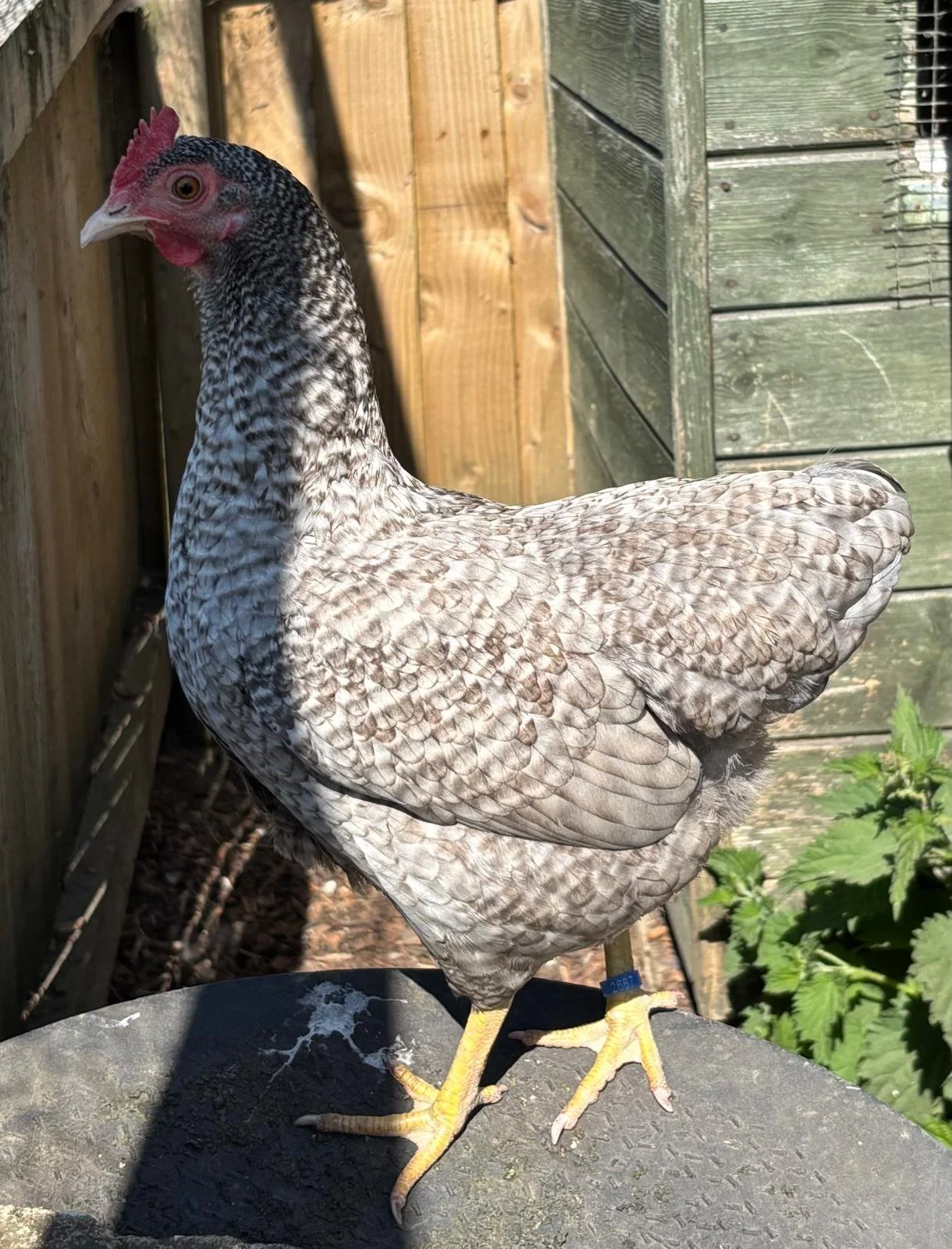
The name comes from John’s chickens. Blue Cuckoo is an original colour that he bred himself and is, quite rightly, very proud of. We have Blue Cuckoo chickens here on the farm today, so this was one name that really did belong to us.
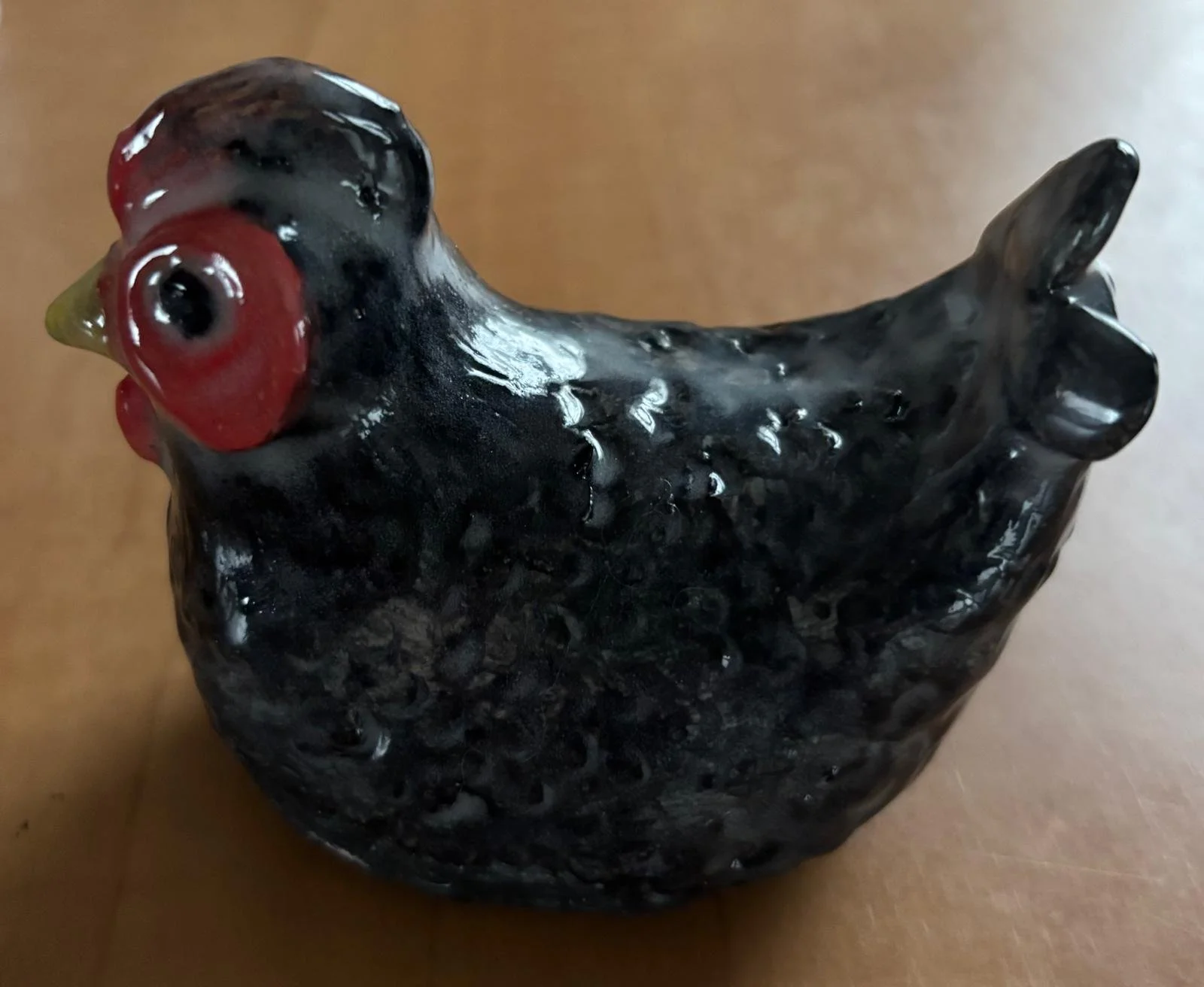
Last Christmas, our niece Josie came to visit and brought with her a little ceramic Blue Cuckoo she’d made for us. We loved it so much that when it came to creating a logo for the farm, the little bird was the obvious inspiration.
And that was that. Blue Cuckoo Farm had its name — and its bird.
Living on the farm was never part of the original plan. We’d decided we wanted a completely different way of life and were planning to buy and run a B&B in Ingleton. We’d sold our house, found the B&B we wanted and were getting ready for a whole new adventure when Covid arrived. The B&B fell through, like so many things did back then, and having already sold our house, we suddenly found ourselves needing somewhere to live at a time when there was very little else on the market. Time to pivot.
John’s dad and brother lived on the small family farm, where an old barn adjoining the farmhouse offered us another possibility. We could convert the barn into our home and live in a static caravan on the farm while we did it. We loved the idea, bought a caravan, moved onto the farm and started making plans for our new home. Within a week of moving in, the barn conversion was off. Time to pivot again.
Pivot : How we got here.
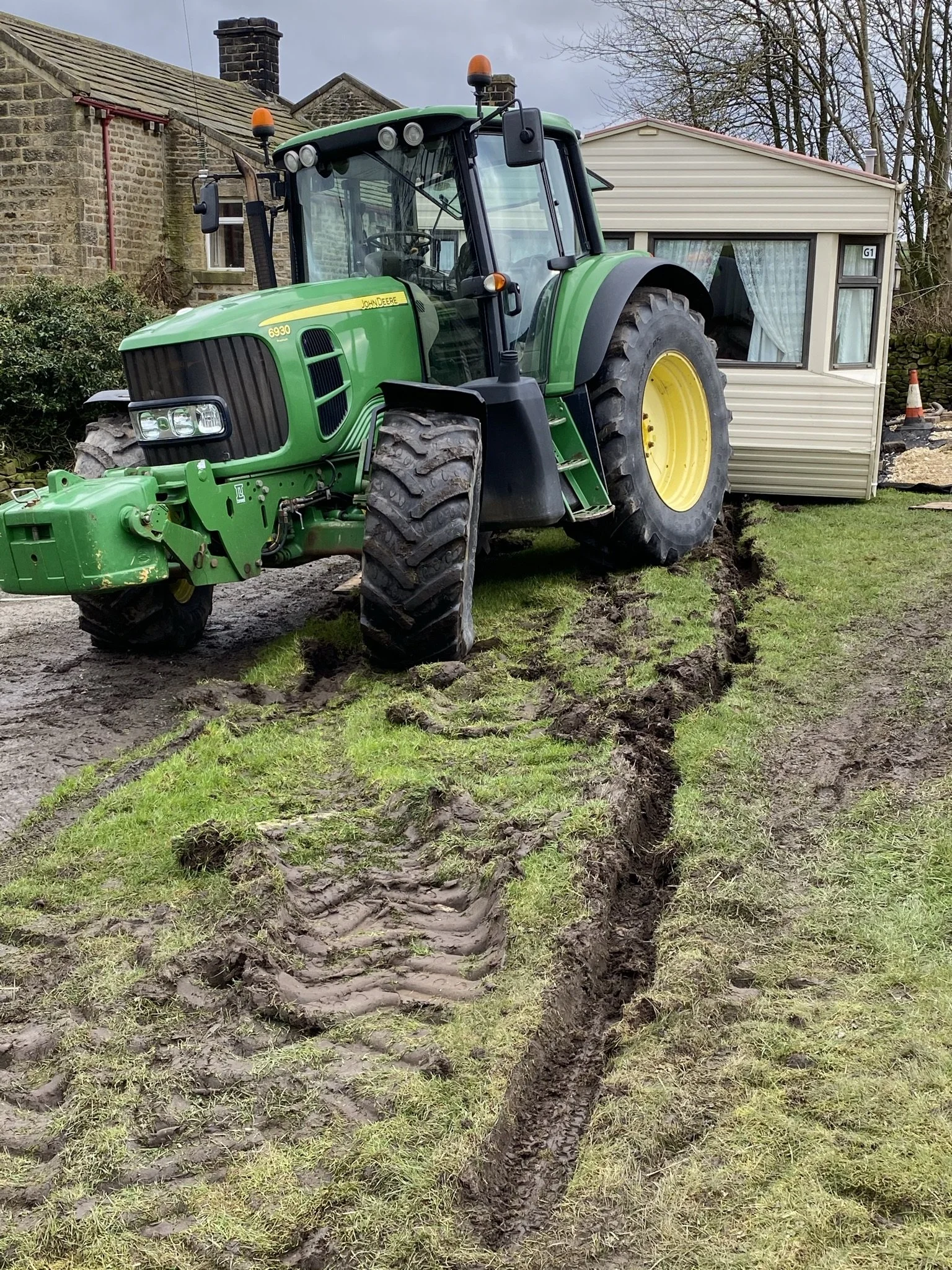
That left us living in a caravan without the home we’d moved there to build. We decided to give ourselves two years, let everything settle down and then decide what came next. During that time we discovered just how much we loved having space around us, the views and the freedom that came with it. So rather than going back to a more conventional life, we started looking for a smallholding in Scotland and gave ourselves until April 2024 to make the move.
Sadly, before we reached our April 2024 deadline, John’s dad died and everything changed again. We were in the fortunate position of being able to buy John’s sister’s share of the farm. Without that, the farm would almost certainly have had to be sold and John’s brother would have lost both his home and his livelihood. Suddenly the smallholding we’d been looking for in Scotland was right here in Yorkshire — although this one came with an enormous amount of work attached. One final pivot. Perhaps it was meant to be.
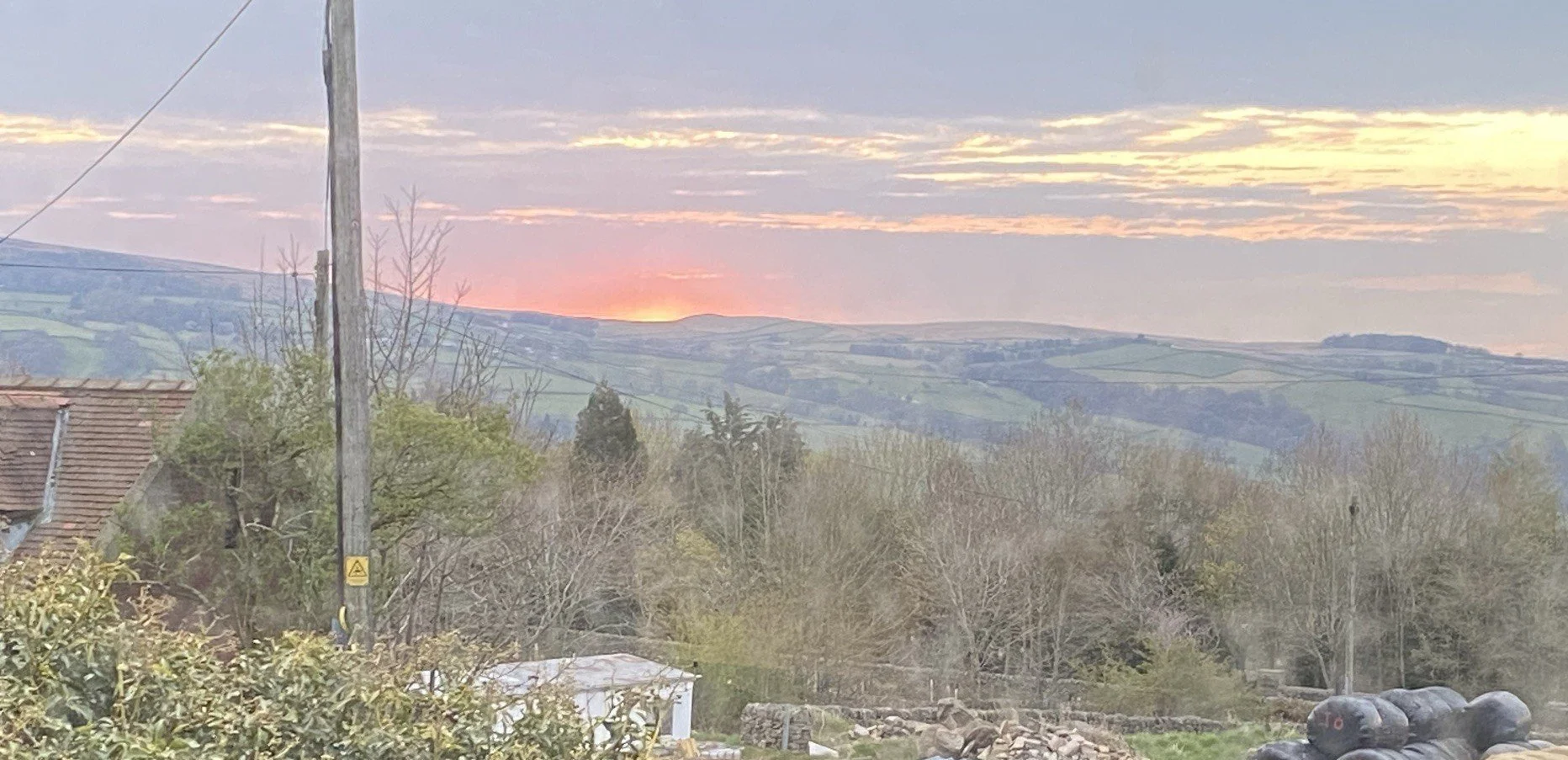
Somewhere along the way, what we wanted had changed too. When we first arrived, the plan was simply to convert the barn and live in it. We never imagined that five years later we’d be keeping sheep, growing pumpkins and Christmas trees, planting willow, growing our own food and trying to bring a neglected farm back to life.
We came here planning to build a house. It turns out what we really wanted was a life.
And now we can’t really imagine being anywhere else.
John has always kept sheep, so having our own flock was inevitably going to be part of life at Blue Cuckoo Farm. It took us quite a while, though, to decide what we wanted. We were looking for something a little less common, but the wool mattered too — we'd love, further down the line, to do something with our own fleeces for spinning and knitting.
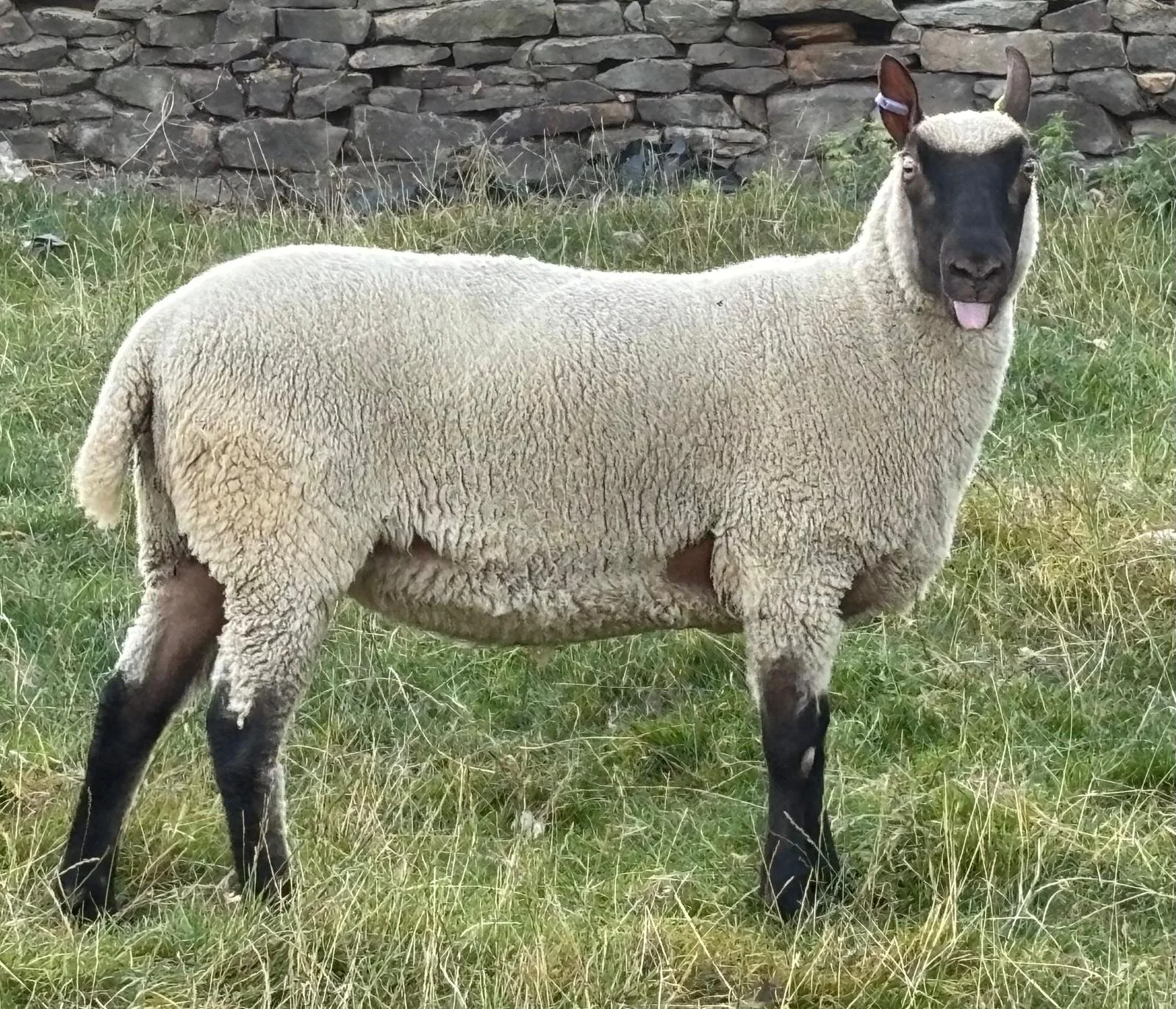
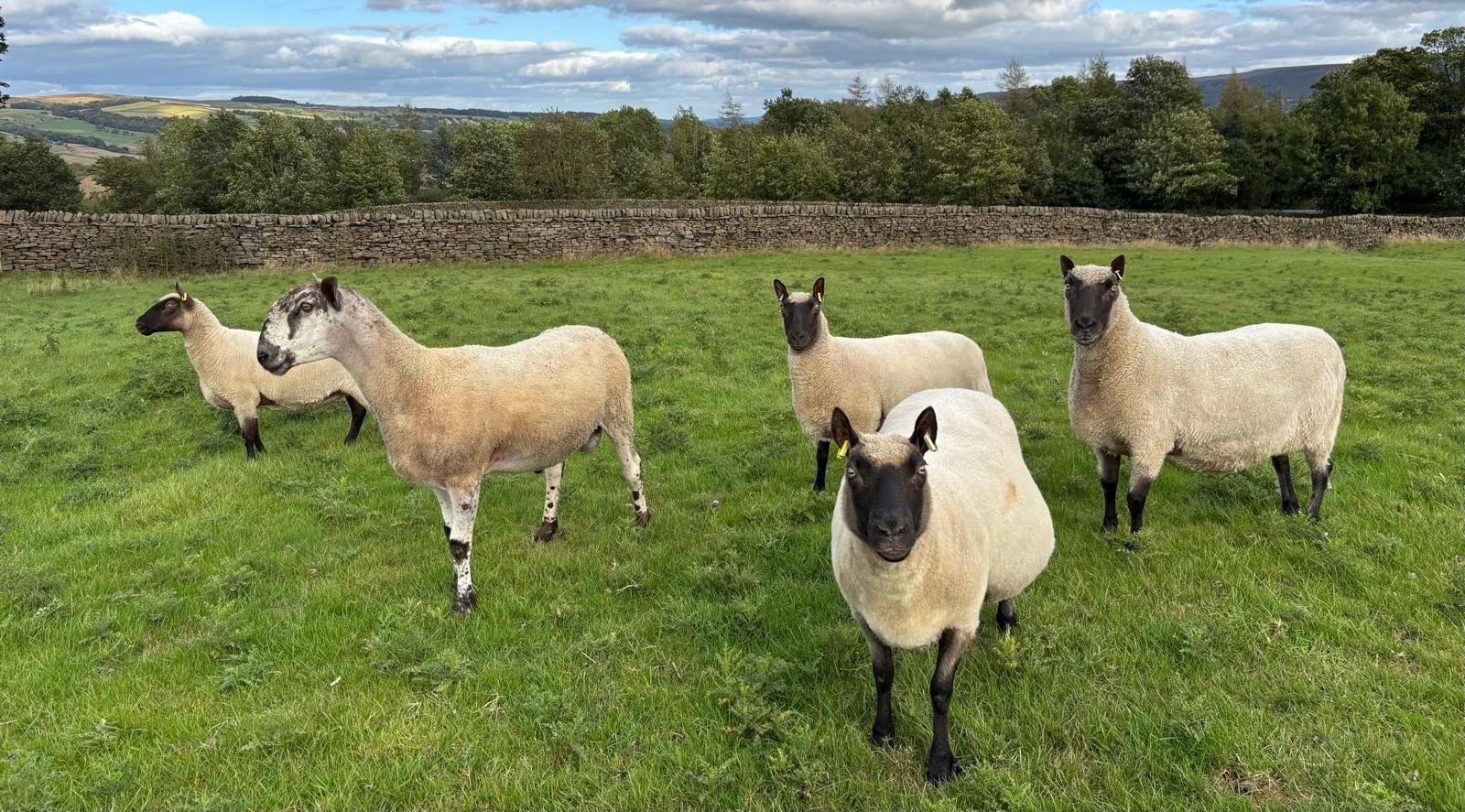
Last summer our first four Clun Forest girls arrived: two older ewes and two young shearlings. They're lovely, quiet sheep, quite happy looking after themselves, and very distinctive with their little tufts of wool on top of their heads. We very quickly became rather fond of them.
For their first lambing with us, we put them to a Blue Faced Leicester tup to produce some mules. At the end of January six healthy lambs arrived — three boys and three girls — with thankfully straightforward births. They've thrived, and those tiny lambs are now very definitely not tiny.
We've recently added three Poll Dorset gimmer lambs to the flock, which we'll breed from next year. By then we should have around twelve breeding ewes.
We love having sheep on the farm. They're friendly, remarkably easy to keep and somehow make the place feel much more like a proper farm.
The Girls